November 2, 2026
Winter weather introduces severe challenges for property management. When blizzards strike, properties face mounting accumulation that obscures pathways and creates hazardous surfaces. Heavy precipitation disrupts operations, forcing businesses to halt activities until conditions improve. Routine maintenance becomes impossible without specialized intervention. Facilities require comprehensive strategies to manage disruptions and maintain standard operational capabilities. Implementing commercial snow removal addresses these challenges by managing precipitation accumulation.
Neglecting seasonal property management leads to severe consequences for facility owners and operators. Accumulating ice creates impassable zones that block entryways and loading docks. Businesses lose revenue when patrons cannot access the premises without danger. Structural integrity suffers when frozen water seeps into concrete surfaces and expands. Establishing a proactive management plan ensures facilities remain operational regardless of atmospheric conditions. A structured approach protects both the physical property and the visitors.
1. Preventing Injuries on Walkways and Paved Surfaces
Property managers prioritize safety above all other operational concerns during winter months. A frozen surface presents immense danger to anyone navigating the exterior of a facility. Pedestrians risk severe physical harm when traversing unmanaged concrete and asphalt surfaces. A thick layer of ice obscures tripping hazards and reduces traction. Professional winter maintenance eliminates these surface dangers before individuals traverse the property.
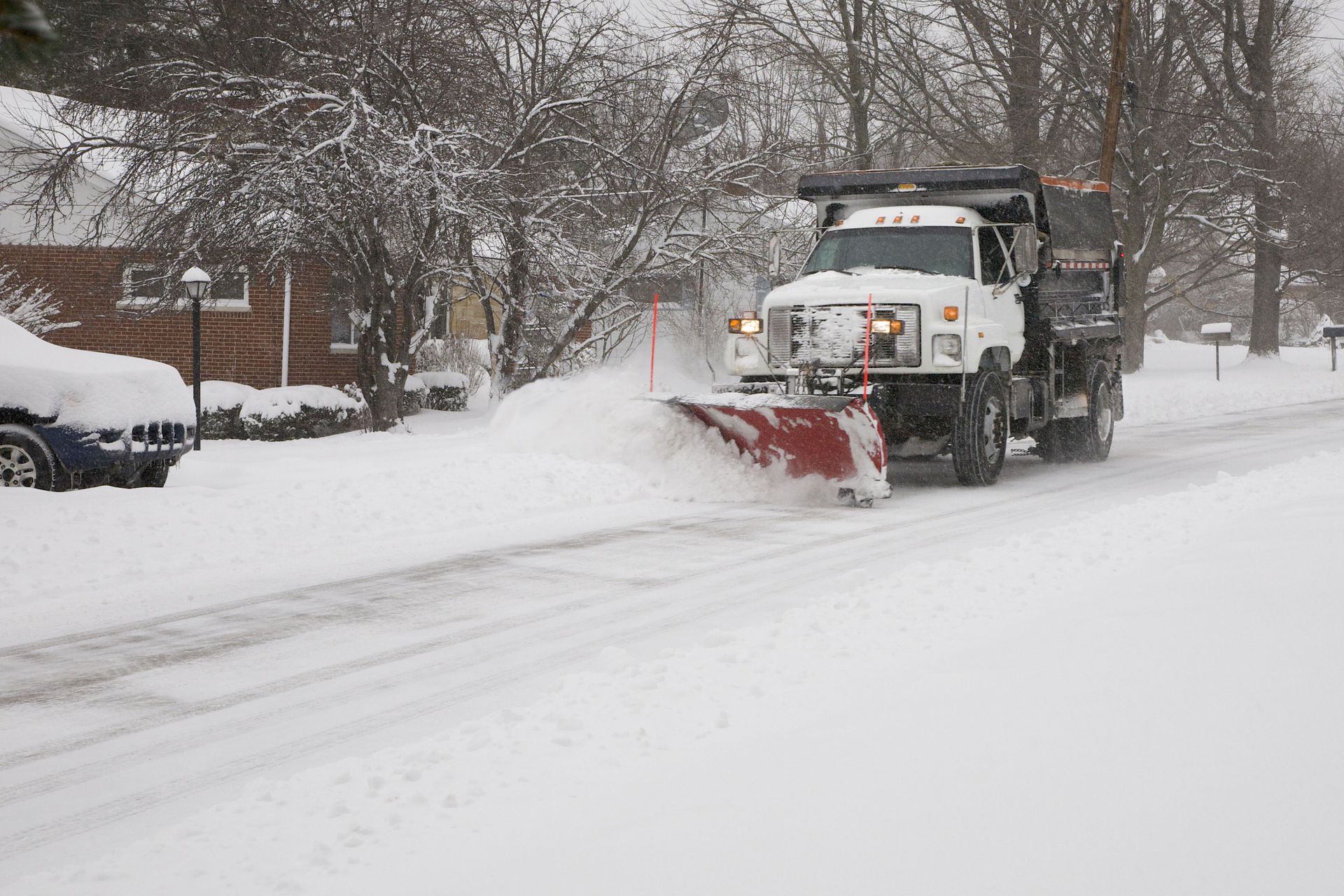
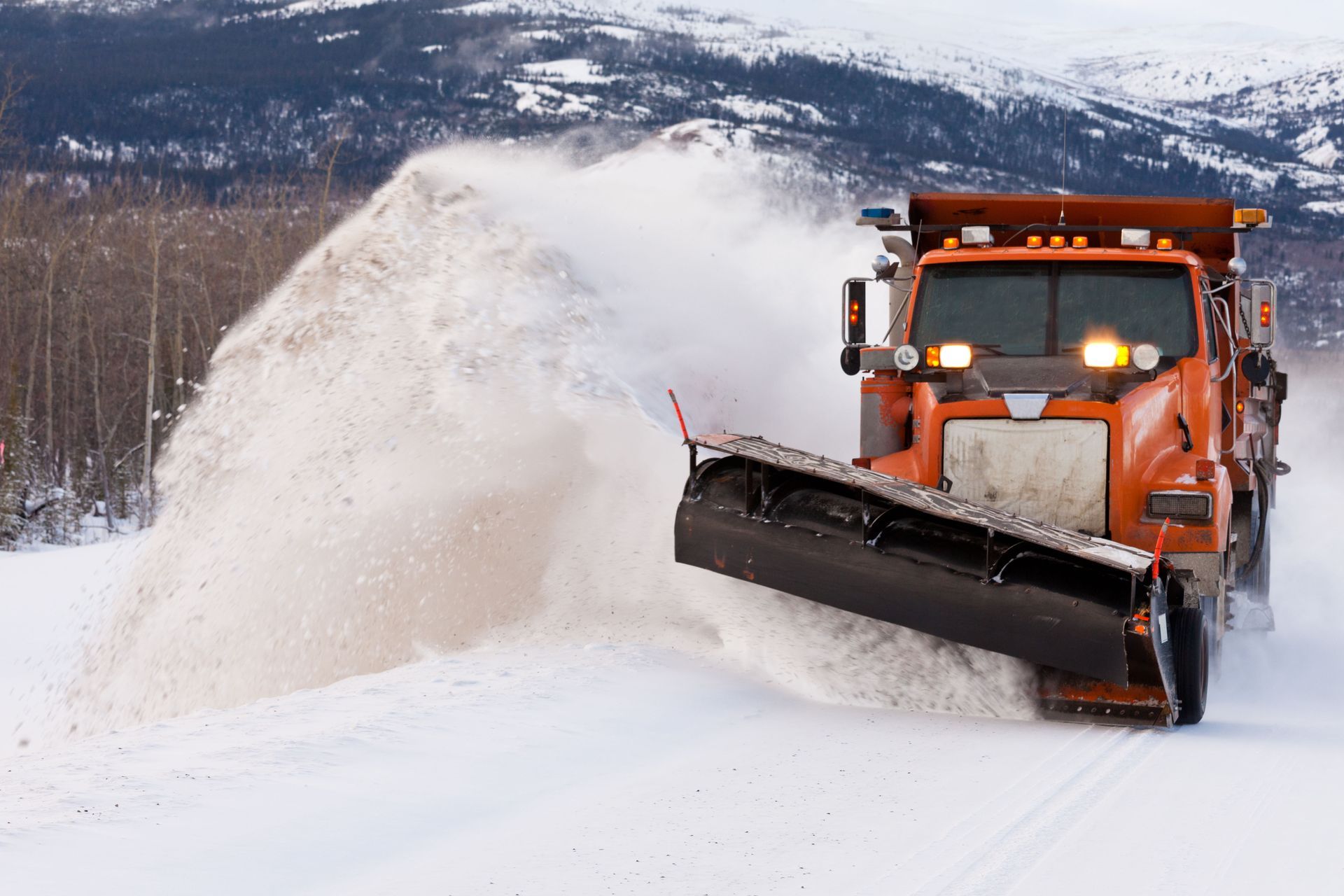
Dedicated surface clearing reduces hazard exposure for staff members arriving for morning shifts. Teams equipped with industrial plows push heavy accumulation away from primary walking routes. Applying deicing agents melts residual frozen patches that plows leave behind. This combination of mechanical plowing and chemical melting creates a secure environment for pedestrian traffic. Utilizing commercial snow removal guarantees pathways receive appropriate treatment prior to peak operational hours.
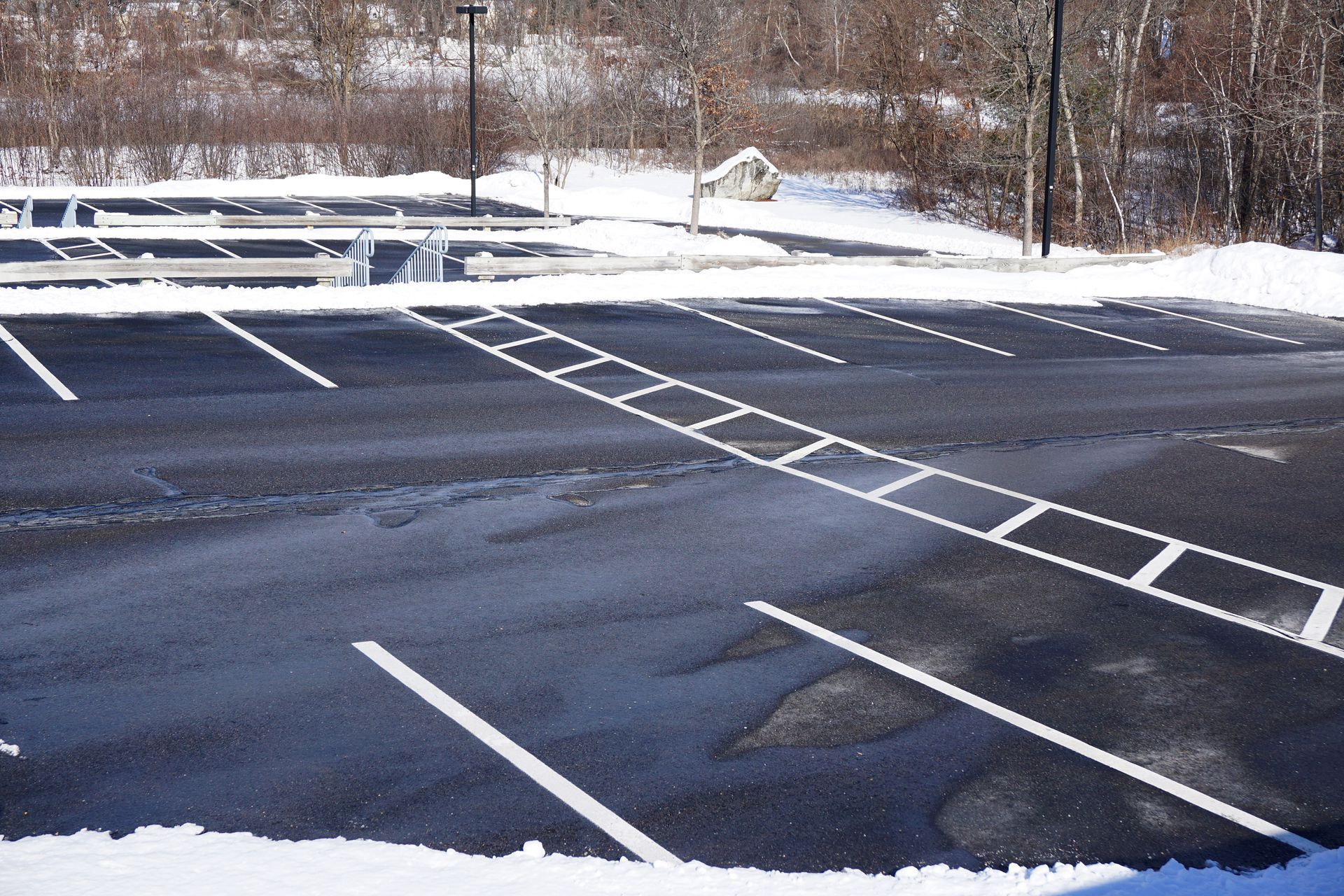
Slips and falls constitute a massive portion of seasonal injuries at business facilities. According to accident studies cited by AmTrust Financial, almost 80% of slips and falls attributed to snow and ice occur in parking lots or on sidewalks. This statistic highlights the critical nature of managing exterior surfaces with immense care. Ignoring these specific areas invites substantial physical harm to visiting patrons and arriving personnel. Proper clearing mitigates these precise dangers and protects human health.
Continual monitoring of walking paths prevents subsequent freezing after initial plowing activities conclude. Melted water refreezes when temperatures drop in the evening, creating thin, invisible hazard layers. Teams monitor ambient temperatures to apply additional melting agents before liquid transforms into solid ice. Such diligence guarantees surfaces remain navigable throughout the entire season. Consistent attention to these details prevents accidents that cause debilitating physical injuries.
2. Maintaining Access for Patrons and Delivery Vehicles
Business continuity relies on unimpeded access to entryways and receiving areas. Deep drifts block doorways and prevent doors from opening into the exterior space. Delivery trucks require wide, clear lanes to maneuver into loading zones without sliding off the pavement. Disrupted supply chains occur when vehicles abandon delivery attempts due to hazardous parking conditions. Clearing these zones ensures commerce continues without interruption during severe weather events.
Retail environments depend upon customer flow to sustain revenue generation. Consumers avoid properties with dangerous driving conditions and massive drifts blocking standard parking spaces. A neglected lot sends a visual signal that the facility remains closed or unprepared for business operations. Plowing expansive parking spaces invites patrons back onto the premises. Effective commercial snow removal signals operational readiness and welcomes consumer traffic back to the facility.
Emergency vehicles mandate clear access routes to respond to potential crises at a facility. Ambulances and fire engines demand pristine thoroughfares to approach buildings without losing traction. Obstructed fire lanes present severe code violations and endanger human life during time-sensitive emergencies. Winter maintenance crews prioritize these critical access points during their initial sweeps of a property. Keeping emergency lanes open remains a non-negotiable aspect of property management.
Refuse collection requires clear pathways to access dumpsters and disposal zones. Heavy trash receptacles become immovable when encased in frozen precipitation. Sanitation trucks lack the capability to navigate through thick, unplowed drifts to empty commercial bins. Waste accumulates in massive volumes when collection schedules face delays due to unmanaged weather events. Clearing disposal areas maintains facility hygiene by allowing standard waste removal operations to proceed as scheduled.
3. Preserving Infrastructure From Freezing and Thawing Cycles
Physical property components suffer immense strain during cyclical temperature fluctuations. Liquid precipitation penetrates microscopic cracks in concrete and asphalt surfaces. When temperatures drop, this liquid solidifies and expands, widening the existing fissures. Over successive weather events, this expansion causes substantial structural degradation to expensive parking surfaces. Contracting commercial snow removal minimizes the amount of standing water left to penetrate and damage these materials.
Heavy plows require skilled operators to avoid scraping and destroying surface coatings. Untrained individuals using improvised equipment often gouge asphalt and chip concrete curbs. Professional teams utilize machinery with protective edges designed to glide over surfaces without causing physical gouges. Calibrated equipment removes the hazard while preserving the underlying infrastructure. This mechanical precision prevents costly springtime repair projects for property owners.
Landscaping features sustain massive damage from improper plowing and piling techniques. Pushing heavy piles onto delicate shrubs crushes branches and destroys expensive botanical installations. Random application of harsh melting chemicals poisons soil beds and kills dormant grass. Dedicated crews map the property boundaries in advance to designate safe piling zones away from sensitive plant life. Such careful planning protects the visual appeal of the exterior environment.
Drainage systems require clear pathways to channel melting runoff away from building foundations. Ice dams block storm drains and force liquid back toward structural walls. Water pooling around foundational elements causes severe seepage issues in basement levels and underground structures. Clearing storm grates allows natural drainage to function without impediment. Proper liquid routing preserves the structural integrity of the main facility and prevents internal water damage.
4. Mitigating Liability for Business Owners and Managers
Legal responsibility weighs with great burden on corporations and individuals managing commercial properties. Visitors who suffer injuries due to unmanaged hazards possess the right to seek compensation. Lawsuits stemming from slips and falls ruin financial stability and damage brand reputation. Courts examine whether property managers took reasonable steps to mitigate known weather hazards. Demonstrating a commitment to hazard reduction serves as a primary defense against negligence claims.
Detailed record-keeping provides vital evidence of diligent property maintenance. Professional crews document their arrival times, the specific services rendered, and the ambient conditions present during their work. These logs establish a timeline of proactive measures taken to secure the premises against hazardous conditions. Insurance providers often require such documentation to process claims or maintain coverage rates. This administrative trail proves invaluable during potential legal proceedings.
Compliance with municipal codes mandates prompt clearing of public-facing sidewalks. Local governments issue substantial fines to properties that fail to clear public walkways within designated timeframes. Accumulating citations drain operational budgets and draw negative attention from municipal inspectors. Outsourcing this task guarantees compliance with local ordinances without demanding constant vigilance from internal staff. Avoiding civic penalties reduces overhead costs and maintains positive community relations.
Partnering with dedicated crews shifts a portion of operational risk away from the facility management team. Reputable service providers carry their own insurance policies to cover damages or injuries that occur during their clearing activities. This division of responsibility provides peace of mind to corporate stakeholders. Hiring commercial snow removal protects the financial assets of the enterprise while maintaining high safety standards. Relying on specialized contractors represents a sound strategy for risk management.
Winter storms introduce chaotic elements into standard business operations and property management. Proactive planning mitigates the dangers associated with freezing temperatures and accumulating precipitation. Protecting patrons and staff members remains the paramount objective for any responsible organization. Utilizing commercial snow removal achieves this goal by eliminating surface hazards before they cause harm. A clean, accessible facility projects a commitment to safety and operational excellence. At Platinum Industries LLC, we provide comprehensive commercial snow removal to ensure your facility remains safe and fully operational during severe winter weather. Contact us today to establish a proactive maintenance plan that protects your patrons and preserves your property.